


Social Sciences and Psychology - Social Sciences
Artificial intelligence-based technology that detects gender violence from the voice
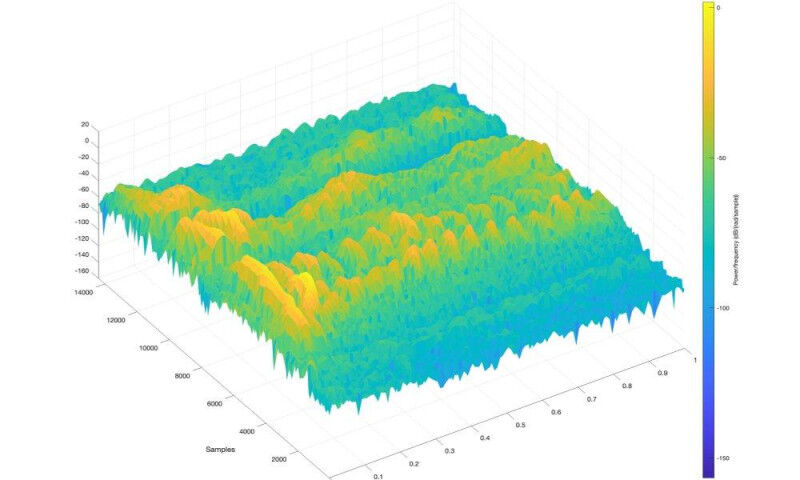
A research team at Universidad Carlos III de Madrid (UC3M) has developed technology using advanced machine learning techniques that detects signs of gender violence from paralinguistic characteristics of the voice such as tone, rhythm, and intensity.
(Tr)african(t)s, a pioneering project to review the colonial heritage of Catalan museums

On 10 April, the documentary Expedient 71 will be released, exploring colonial plundering in Equatorial Guinea.
The UB launches a pioneering vocabulary of scientific terminology in Catalan Sign Language (LSC)
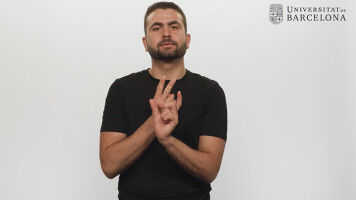
Language - A deaf student can follow university classes with a sign language interpreter, but they often encounter the problem that there are no specific signs for many of the scientific terms used in the classroom.
The UB supports UNRWA Spain in helping the people of Gaza

The funds raised will be allocated to essential services for people in Gaza, such as education and drinking water.
Children and adolescents affected by juvenile fibromyalgia are more sensitive to non-painful sensory stimuli

New studies reveal that this hypersensitivity is a characteristic condition of the disease and is closely linked to symptom severity and brain responses in young people suffering from chronic pain.
Economists at the University of Valencia argue that Spain’s pension system shows signs of regressivity benefiting higher incomes

New research published in the International Journal of Sociology and Social Policy by University of Valencia professors of Applied Economics José Manuel Pavía and Josep Lledó challenges one of the pillars of the public debate on pensions in Spain: their progressivity. The study, entitled On the progressivity of public pension systems: the case of Spain , concludes that the current system indirectly favours higher-income groups due to disparities in life expectancy.
The size and composition of our circle of friends and family influence how we perceive our own body
A scientific study led by Universidad Carlos III de Madrid (UC3M) and partly funded by the European Research Council (ERC) has determined that the size and composition of our social support networks directly influence how we perceive our body image.


