


news 2025
« BACK
 Role of a key enzyme in rotavirus and norovirus infection, the leading causes of acute gastroenteritis
 Role of the coronavirus ’anchor’: the least-known part of the Spike protein is key to infection
 Mechanisms of phage adaptation to eradicate clinically relevant bacteria
 Researchers identify key molecular mechanism in cell communication
 A porcine coronavirus uses an unexpected route to enter cells
 A system for targeted drug delivery using magnetic microrobots
 New metabolic mechanism involved in resistance to lung cancer treatments
 Researchers decipher mechanism that prevents the loss of brown adipose tissue activity during ageing
 Researchers decipher a mechanism that determines the complexity of the glucocorticoid receptor
 Two-drug combination could improve colorectal cancer therapy
 New coronaviruses discovered in bats in Spain, some similar to SARS-CoV-2
 New advances to boost regeneration and plasticity of brain neurons
 AI tool to read the ’code’ of bacterial viruses and design personalised phage treatments
 La combinació de dos fàrmacs que combaten el risc cardiovascular també podria ajudar a tractar la malaltia més freqüent del fetge
 A diet rich in vegetable protein and fibre helps maternal and infant health during pregnancy and breastfeeding
 Resilience, a key factor in reducing emotional distress in girls with juvenile fibromyalgia
 Protein that may help improve the treatment of obesity and cardiovascular disease
Health
Results 1 - 20 of 38.
Life Sciences - Health - 19.12.2025
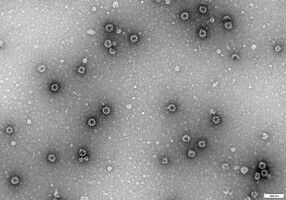
Researchers identify the role of a key enzyme in rotavirus and norovirus infection, the leading causes of acute gastroenteritis A research team led by professor Jesús Rodríguez from the University of Valencia (Department of Microbiology) has identified the decisive role of fucosidases - enzymes present both in the human intestine and in the gut microbiota - in infection by rotavirus and norovirus.
Life Sciences - Health - 17.12.2025
New methodology to decipher how human ancestors moved
When studying how fossil hominids moved, researchers usually analyse the morphology of bones - which is crucial for understanding the evolution of bipedalism - focusing mainly on muscle insertion sites. However, the potential information of studying other types of soft tissue, such as joint ligaments, is often overlooked.
Life Sciences - Health - 09.12.2025
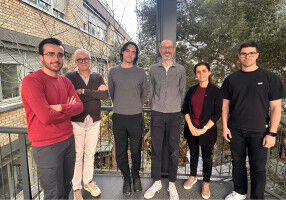
Researchers uncover the role of the coronavirus "anchor": the least-known part of the Spike protein is key to infection A study by the University of Valencia (UV) and the Spanish National Research Council (CSIC) has revealed that a previously little-studied region of the SARS-CoV-2 coronavirus Spike protein is essential for the virus to enter human cells.
Health - Life Sciences - 02.12.2025
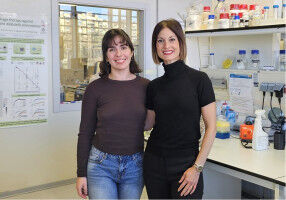
Researchers uncover the mechanisms of phage adaptation to eradicate clinically relevant bacteria A study led by Celia Ferriol-González and Pilar Domingo-Calap, researchers at the Institute for Integrative Systems Biology (a joint centre of the University of Valencia, UV, and the Spanish National Research Council, CSIC), reveals the evolutionary mechanism used by phages - viruses of therapeutic interest - to infect multidrug-resistant bacteria.
Life Sciences - Health - 28.11.2025
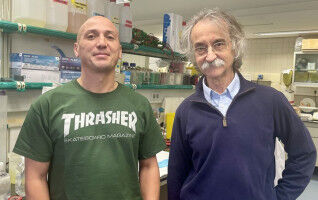
A new study describes a key molecular mechanism that explains how cells exchange information through extracellular vesicles (EVs), small particles with great therapeutic potential. The results, published in the Journal of Extracellular Vesicles , reveal that the Commander protein complex, previously known for its role in membrane recycling, also coordinates the entry and internal destination of vesicles within the cell.
Health - Life Sciences - 20.11.2025
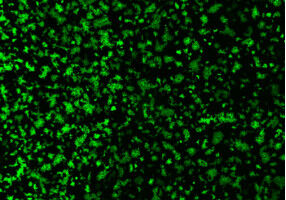
Researchers discover that a porcine coronavirus uses an unexpected route to enter cells An international team led by the Institute for Integrative Systems Biology (I²SysBio) - a joint centre of the University of Valencia (UV) and the Spanish National Research Council (CSIC) - together with the Institut Pasteur in Paris, has identified, for the first time, a functional receptor for the porcine haemagglutinating encephalomyelitis virus, also known as porcine coronavirus PHEV.
Health - Pharmacology - 14.11.2025
An international study presents, for the first time, a complete system capable of controlling and releasing drugs within the body using magnetic microrobots. The system combines a clinical magnetic field, a precision catheter and biodegradable microcapsules that can be directed exactly to the specific point in the body where the drug needs to act.
Health - Pharmacology - 06.11.2025
Researchers reveal a new metabolic mechanism involved in resistance to lung cancer treatments A research team from the University of Valencia (UV) and the La Fe Health Research Institute (IIS La Fe) has identified a mechanism that explains why certain lung tumours with mutations in the EGFR gene stop responding to the most commonly used targeted therapies.
Health - Life Sciences - 05.11.2025
As the body ages, brown adipose tissue activity decreases, fewer calories are burned, and this can contribute to obesity and certain chronic cardiovascular diseases that worsen with age. A study led by the University of Barcelona has identified a key molecular mechanism in the loss of brown fat activity during ageing.
Life Sciences - Health - 27.10.2025
Drugs to treat inflammatory and autoimmune diseases - such as asthma, psoriasis, rheumatoid arthritis or Chrousos syndrome - act mainly through the glucocorticoid receptor (GR). This essential protein regulates vital processes in various tissues, so understanding its structure and function at the molecular level is essential for designing more effective and safer drugs.
Health - Pharmacology - 22.10.2025
Colorectal cancer is one of the most common tumours among people over the age of 50. Although it is known to develop from small lesions or polyps, its exact causes are unknown - only a few risk factors are known - and it is usually treated with surgery, chemotherapy and radiotherapy, or biological therapies.
Health - Life Sciences - 16.10.2025
A multidisciplinary research team involving the University of Valencia has identified eight coronavirus genomes in bats from different regions of Spain, three of which could represent new viral species. The findings have been published in the journal PLoS Pathogens .
Life Sciences - Health - 14.10.2025
The brain's mechanisms for repairing injuries caused by trauma or degenerative diseases are not yet known in detail. Now, a study by the University of Barcelona describes a new strategy based on stem cell therapy that could enhance neuronal regeneration and neuroplasticity when this vital organ is damaged.
Life Sciences - Health - 06.10.2025
Scientists develop AI tool to read the "code" of bacterial viruses and design personalised phage treatments A research team from the Institute for Integrative Systems Biology (I²SysBio), a joint centre of the University of Valencia (UV) and the Spanish National Research Council (CSIC), has developed an innovative artificial intelligence system to predict which bacteria can be targeted by bacteriophages (phages) based on the sequence of a key enzyme: depolymerase.
Health - Pharmacology - 30.09.2025
UB study shows that two approved drugs reduce fat accumulation in the liver of animal models of metabolic liver disease. Metabolic dysfunction-associated steatotic liver disease is the most common liver disease in the world, affecting about one third of the adult population. This disorder is characterized by the accumulation of fat in liver cells, which has severe liver consequences and is also associated with a high mortality rate from cardiovascular disease.
Health - Psychology - 15.09.2025
Better quality care reduces fear and coercion in mental health units
What makes an admission to a mental health unit a more or less traumatic experience, and what role do nurses play in this experience?
Life Sciences - Health - 09.09.2025
A Mediterranean-style diet, rich in fibre, vegetable proteins and healthy fats, benefits maternal health during pregnancy and breastfeeding.
Life Sciences - Health - 16.07.2025
UB-IDIBELL study identifies key neurophysiological mechanism in human memory formation
The study shows, for the first time in a realistic setting, the role of ripple-type brain waves in memory encoding and storage.
Health - Life Sciences - 02.07.2025
Juvenile fibromyalgia is a chronic pain disorder that mainly affects adolescent girls. A study led by the University of Barcelona shows that resilience - the ability to cope adaptively with adversity - does not reduce the physical symptoms of this chronic disease, but could act as a protective factor at the emotional and brain level.
Health - Life Sciences - 16.06.2025
Researchers identify a protein that may help improve the treatment of obesity and cardiovascular disease Obesity, diabetes and cardiovascular diseases are increasingly present in the population. Brown adipose tissue has a protective function against these prevalent diseases, as it burns calories and can produce body heat from fat.


Advert